Bestseller
Barcelona: Skip-the-Line Entry to 6 Top Art Museums
From 38,00 €
Buy the ticket
Barcelona is a truly avant-garde city in many respects, and its cultural life is no slouch either. There are numerous museums in the city where you can admire the works of world-famous Spanish artists such as Picasso, Dali and Velazquez, who were among the founding fathers of artistic currents such as Cubism, Impressionism, Modernism and Post-Modernism to name but a few.
But in Barcelona one can also discover numerous collections of other genres, ranging from the Middle Ages to the 1990s. Contemporary works by well-known artists and young up-and-comers are also to be found just about everywhere, and practically every museum organises temporary exhibitions that fill the few free spaces in their permanent collections. Here are the best museums in Barcelona.
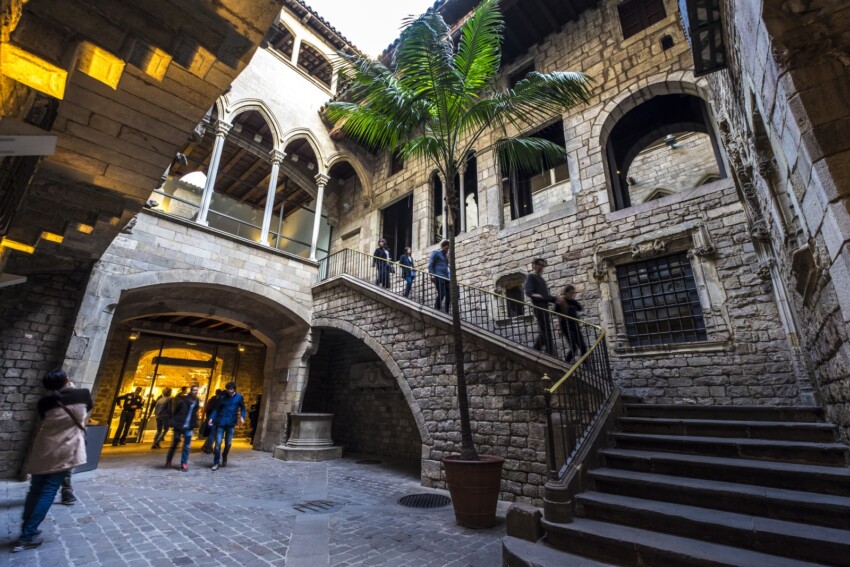
When it opened in 1963, the museum dedicated to Barcelona’s favourite adopted son was housed inside the Palau Aguilar. Nearly 50 years later, the permanent collection of more than 3800 pieces and works of art has been spread over five adjacent buildings, two of which are dedicated to temporary exhibitions.
The Museu Picasso mainly keeps track of the formative years the young Picasso spent at the nearby art school La Llotja, which he put into practice a few years later with some of his most famous works.
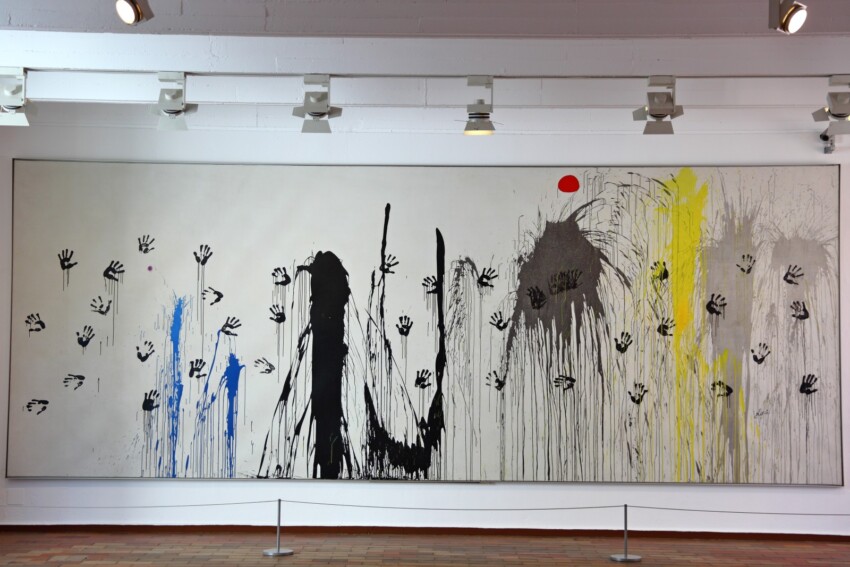
Josep Lluis Sert, who spent the years of Francisco Franco’s dictatorship in design school at Harvard University, designed one of the world’s largest museums on his return. Easy to reach, light and airy, the white walls of the Joan Mirò Foundation house a collection of over 200 paintings, 150 sculptures and all of Joan Mirò‘s graphic works, as well as some 5000 drawings.
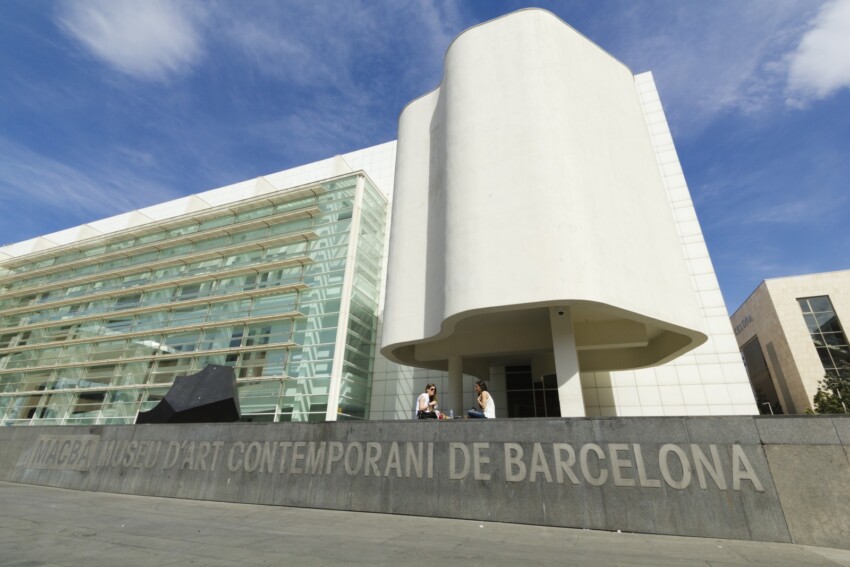
If modern art centres are not your thing, you should definitely give the MACBA‘s minimalism a chance, where art is really taken seriously.
The elegant building of the MACBA (Museu d’Art Contemporani), with its simple, linear white walls, contrasts sharply with the surrounding neighbourhood, but its construction has helped a lot to redevelop El Raval.
Designed by American architect Richard Meier, its bright and airy galleries represent the city’s contemporary art mecca. The permanent exhibition includes over 2000 works by major Spanish and international artists, while temporary exhibitions range from fashion to photography, from sculpture to new media.
One of the few pieces constantly on display is Tapies’ Deconstructed Bed, with the sheets hanging from the wall. This is to underline Tapies ‘ importance in the panorama of Catalan modern art.
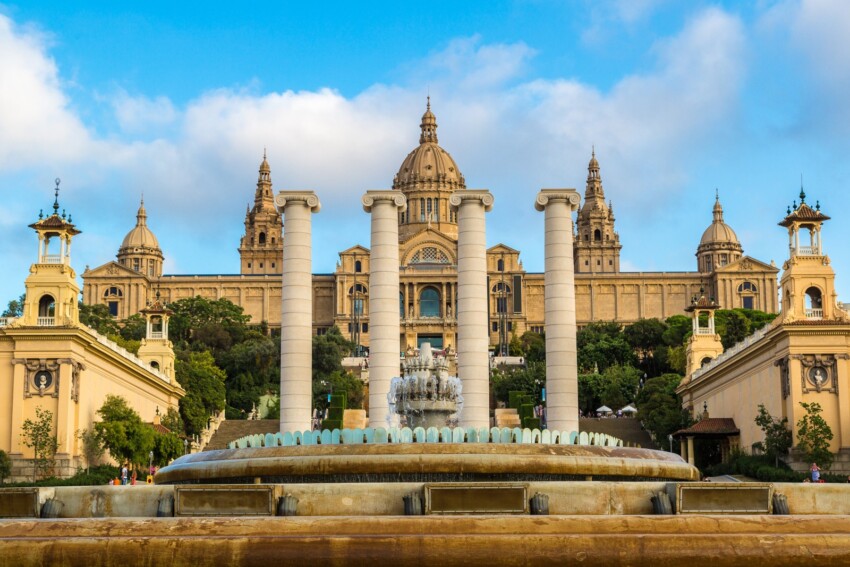
In recent years the museum has seen an expansion with a new floor to display the section of the Thyssen-Bornemisza collection, which was previously kept half-hidden at the Pedralbes convent.
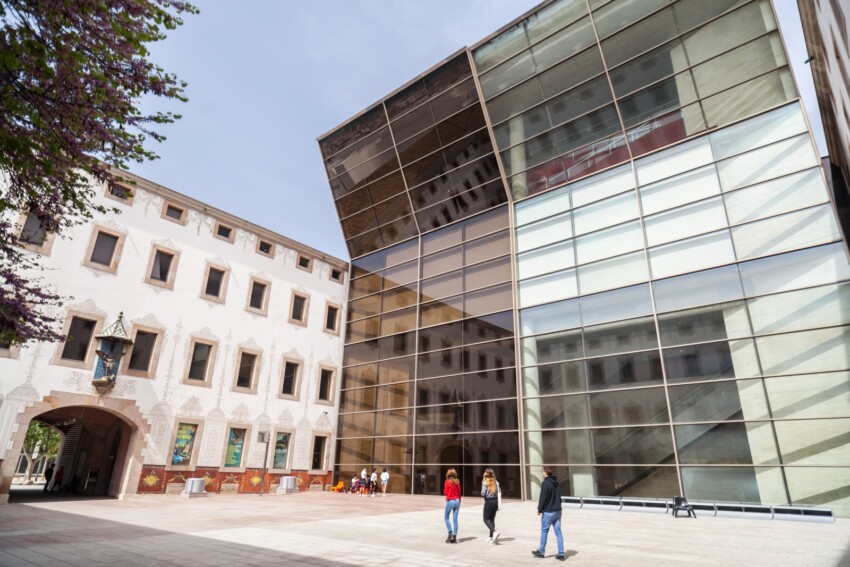
The largest cultural centre in Spain – the CCCB, Centre de Cultura Contemporania de Barcelona – opened its doors to the public in 1994 at the Casa de la Caritat, built in 1802 on the site of a former medieval monastery. The massive façade and part of the inner courtyard remain unchanged from the original building, while the rest has been reconstructed in stark contrast, with glass and steel, by architects Pinon and Viaplana, well known in the city for having designed the Maremagnum shopping centre.
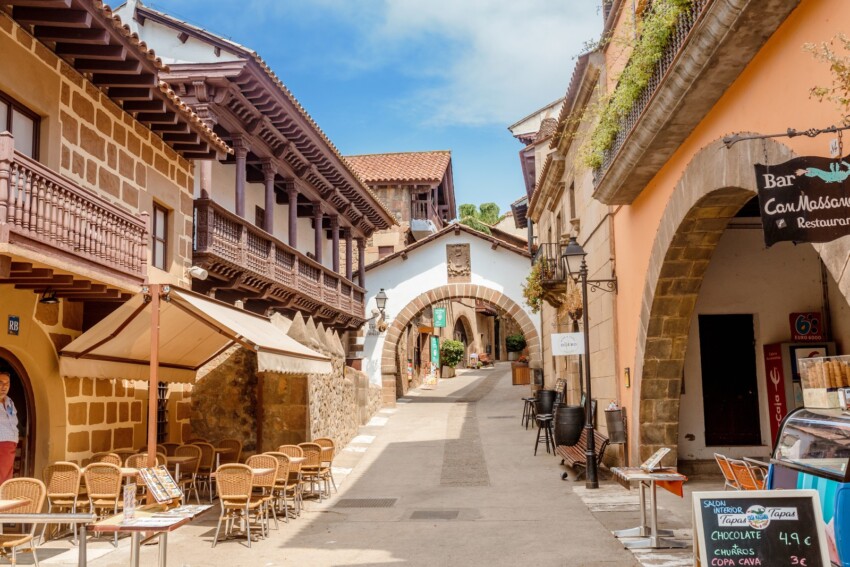
The Poble Espanyol is one of Barcelona’s most interesting tourist attractions. It is an open-air museum showcasing various aspects of Spain, from traditions to reconstructions of cities and monuments, from arts to crafts. You can admire a unique combination of architecture, contemporary art, shops and gastronomy; you can see a typical Andalusian quarter, a section of the Camino de Santiago and some interesting examples of Roman monastic architecture.

By now it is a classic in many European cities, but a visit to the Wax Museum always holds many surprises! The one in Barcelona is located along Las Ramblas, a stone’s throw from the Columbus Monument, and houses more than 200 life-size figures of historical and famous personalities, most of them related to Barcelona or Catalonia.
The building in which the museum is located was the headquarters of the Bank of Barcelona until its relocation in 1973, when it was converted into a wax museum. Today, the exhibition is spread over three floors, comprising a total of no less than 28 rooms divided by themes. Among the many, we would like to mention the Barcelona Room, which displays the waxes of people who have made the history of the city. Also interesting is the Camera Blindata, the vault of the old bank, which still has the original furniture and fittings. At the end of the visit, take a break at El Bosc de les Fades Café, a setting that recreates a fairy forest, with statues, trees and costumed waiters. A must-see, especially if visited with children!
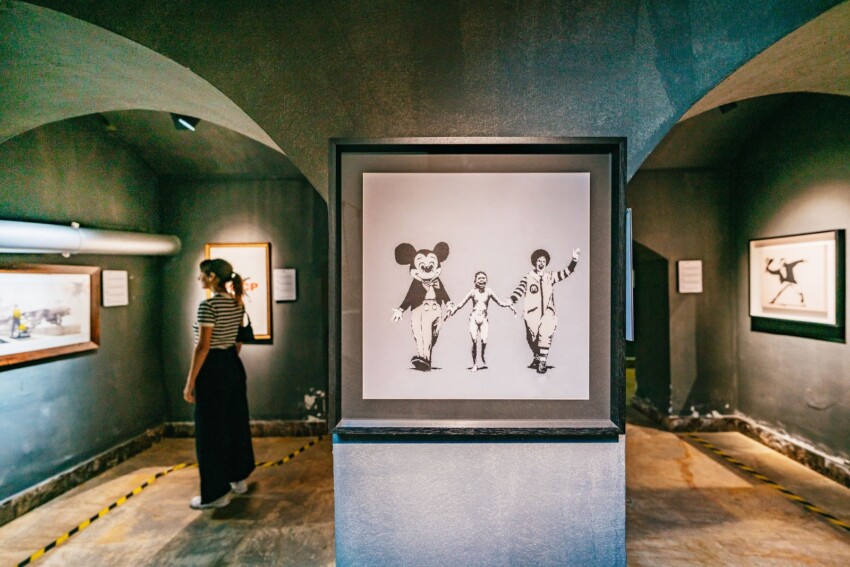
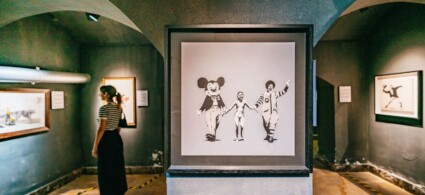
The famous – and at the same time mysterious – English street artist Bansky has his own museum in Barcelona. Inside the exhibition you will come into contact with more than 130 works and drawings, all of which focus on strong current themes. Be it graffiti or installations, Bansky’s works make you think and invite you to explore the topics.
During your visit to the Bansky Museum in Barcelona, you can admire some of the British artist’s famous works, such as ‘Girl with a Balloon’ and ‘Girl Frisking a Soldier’. The museum is centrally located, north of the Ribera district, a short distance from the Parc de la Ciutadella.
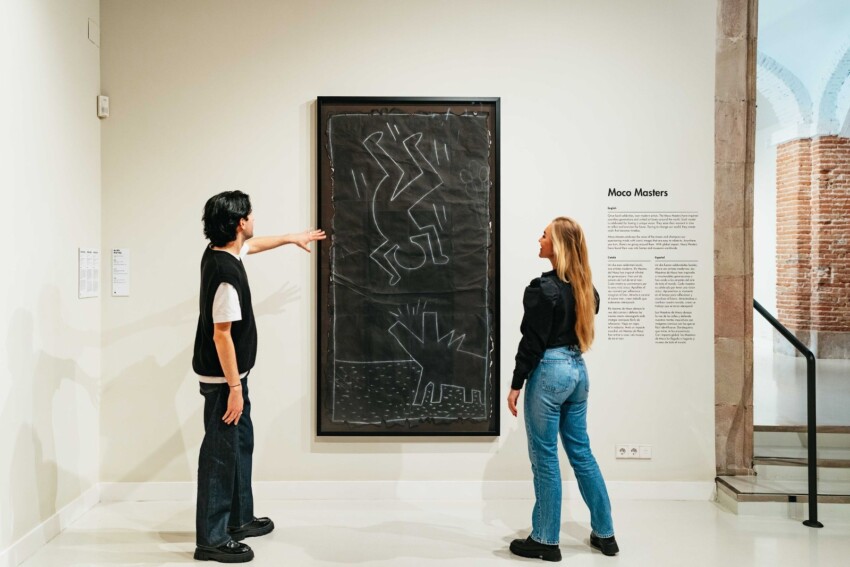
If after visiting the Bansky museum your thirst for modern and urban art has not been quenched, head to the Born, where the elegant Palacio Cervellò is located in the heart of the district. Inside you will discover Barcelona’s Moco Museum, short for Modern Contemporary. The name says it all: inside you will discover a vast exhibition area dedicated to photography, sculpture and street art, with works by leading exponents of modern and contemporary art, such as Salvador Dali, Andy Warhol, Keith Haring and Bansky.
The exhibition itinerary of the MOCO Museum consists of two main sections, called Modern Masters – dedicated to modern art – and Contemporary Masters, displaying works by contemporary artists. The list of temporary exhibitions that have taken place and will take place at MOCO, also related to digital arts, is also very interesting.
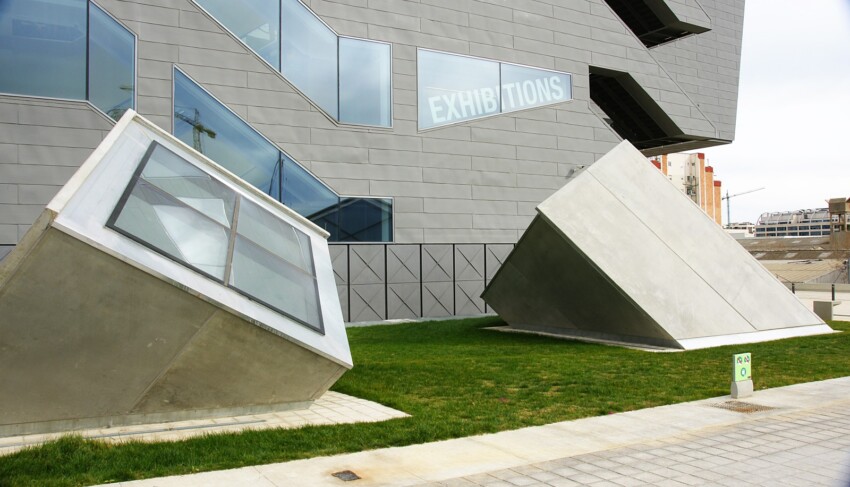
Design enthusiasts in Barcelona will have their work cut out for them: in the Glories area, a stone’s throw from the Glories Tower, is in fact the Design Museum, or Museu del Disseny de Barcelona in its Catalan diction. It is a space dedicated to four facets of design: spaces, products, information and fashion.
It is a recent institution, managed directly by the Barcelona Institute of Culture, and was born from the ashes of four pre-existing museums in the city, merged into a single location within a futuristic building that certainly does not go unnoticed: it is the Disseny Hub Barcelona (DHUB), opened in 2013. The building also houses other design-themed institutions, which are the Foment de les Arts i el Disseny (FAD) and the Barcelona Centro de Diseno (BCD).
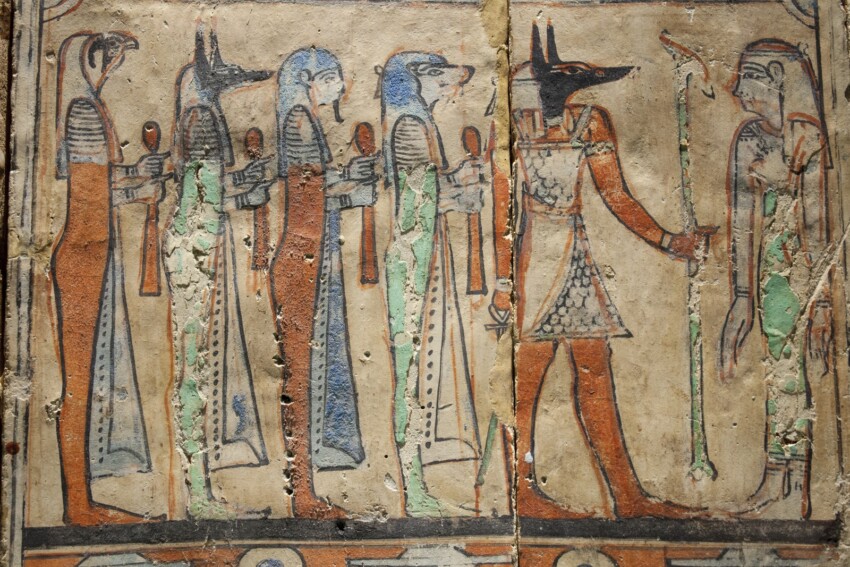
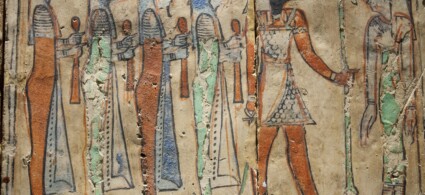
Among the most important European museums on the ancient Egyptian civilisation is undoubtedly the one in Barcelona. A true institution in the city, perhaps not a subject that comes to mind when one thinks of Spain, yet Ancient Egypt enthusiasts and the curious will be pleasantly surprised.
Indeed, the Egyptian Museum in Barcelona allows young and old alike to admire a decidedly rich collection of artefacts, including jewellery, cosmetics, pharaoh masks and funerary art. It covers an area of more than 2,000 square metres, and inside there is the permanent exhibition, a hall for temporary exhibitions, training rooms and a huge library with more than 10,000 documents. The museum also has a school of Egyptology and an archaeological campus, but this is located in Palau-Solita i Plegamans, some 20 kilometres away. The Egyptian Museum is located close to Casa Milà and Casa Batllò, making it a perfect destination to alternate visits to the ‘usual’ Gaudi Barcelona.
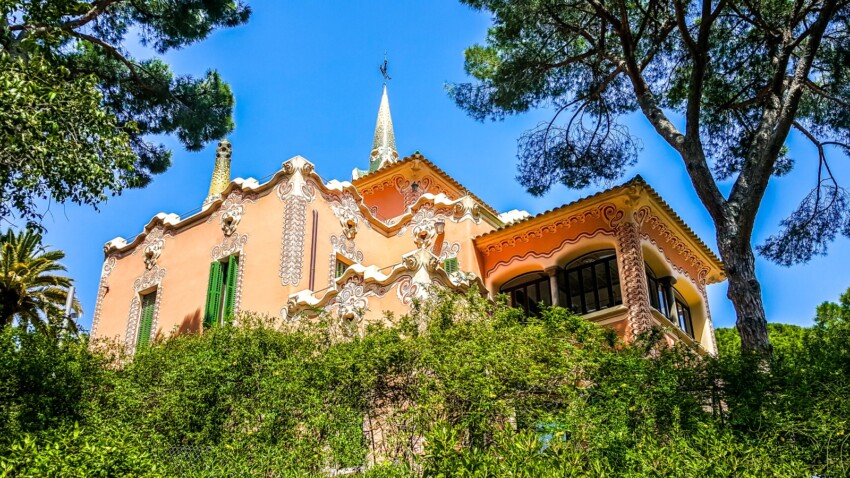
And finally, yes, Gaudi’s residence is also a museum. In Barcelona, it could not be otherwise, yet it is a hybrid attraction, because it is accessed from Parc Guell. This building housed the famous architect for about twenty years, but it was not he who designed it: it is in fact the work of Francesc d’Assís Berenguer i Mestres, an architect friend and collaborator of Gaudí.
Opened to the public in the 1960s, the Gaudí House Museum allows visitors to enter into a personal connection with the artist, the man rather than the architect, allowing them to discover the furniture he designed, as well as personal objects and documents relating to his life. The house is also closely linked to the Sagrada Familia, as the architect lived here when he began working there, until the day he died in 1926.
In the following map you can see the location of the main places of interest mentioned in this article.
If you want to visit 6 museums in Barcelona, we recommend purchase the ArtTicket Barcelona online: the savings are considerable compared to buying individual museum tickets. The museums and galleries included in the ArtTicket Barcelona are: the MACBA (Museum of Contemporary Art), the Picasso Museum, the Antoni Tàpies Foundation, the Joan Miró Foundation, the MNAC (Museu Nacional d’Art de Catalunya) and the CCCB (Centre de Cultura Contemporània).
City Card allow you to save on public transport and / or on the entrances to the main tourist attractions.





 Hotel
Hotel  Budget accommodations
  Apartments
  Family Hotel
  Luxury Hotel
  Resorts