Barcelona is a city that always manages to amaze. One falls in love with it at first sight and anyone who visits it for the first time cannot wait to return. The sun, the sea, the people in the streets at all hours, but also the monuments and the numerous points of interest make it without doubt one of the most attractive cities in Europe.
As if that were not enough, the Italian-like language and the numerous job opportunities make it one of the best destinations for those who want to gain experience abroad.
In this article we would like to shed some light on the best things to see in Barcelona, to try to help those who are coming here for the first time and don’t want to miss anything: depending on your taste, every neighbourhood in Barcelona could be your favourite!
In the Ciutat Vella areas you are sure to find plenty of tourists throughout the year: most of them flock to the Rambla for a stroll through the heart of the city. However, if you are looking for a little less crowded, take the opportunity to visit neighbourhoods such as the Eixample, with Gaudi’s architectural gems, or El Raval, a very characteristic neighbourhood. A trip to Barceloneta will allow you to enjoy the warm Mediterranean sun!
1Carrer de Mallorca, 401, Eixample, 08013 Barcelona, Spain
The Sagrada Familia, Gaudi’s masterpiece
You cannot fail to start the top ten list of things to see in Barcelona with the Sagrada Familia, the city’s iconic monument. This majestic church, a masterpiece of architect Antoni Gaudi, is still unfinished, and work is proceeding very slowly according to the original plans.
But for the most part it is finished, and both the exterior and the interior leave one speechless, due to their contrasts and the absolutely unique style that the Master wanted to give to the construction that brought him worldwide fame and honours. Don’t miss the ascent to the bell tower, from which you can admire a truly breathtaking panorama of Barcelona.
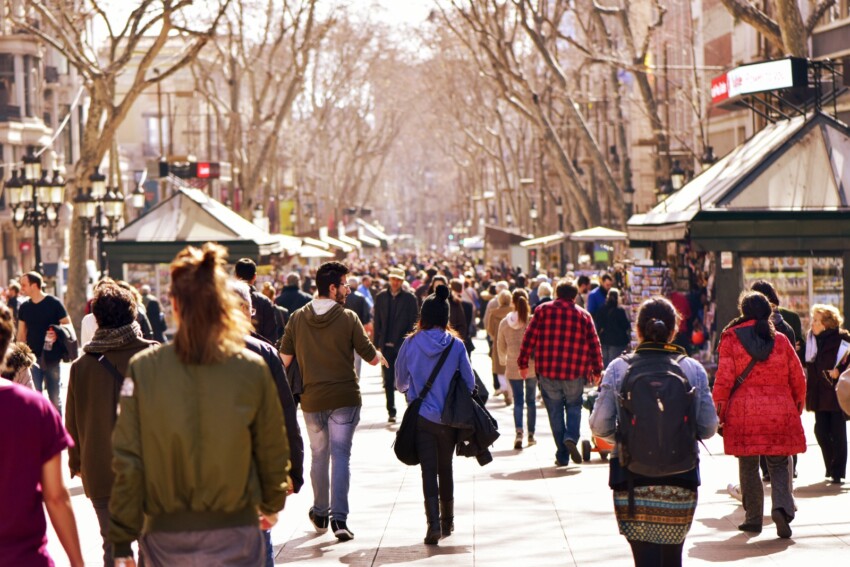
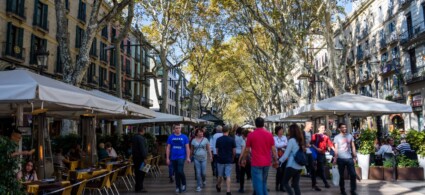
The Rambla is Barcelona’s most famous street. It runs for over a kilometre from Plaza Catalunya to the sea and is a joy for all five senses. Crowded at all hours of the day and night, it is lined with buildings and points of interest such as the Wax Museum, the Liceu Theatre or the La Boqueria market, which are not to be missed.
But the beauty of strolling along the Rambla is to experience life in the open air, admire the street artists or wander among the stalls in search of the perfect souvenir. Better to avoid sitting at the tables of the tapas bars or restaurants, which are expensive and of mediocre quality.
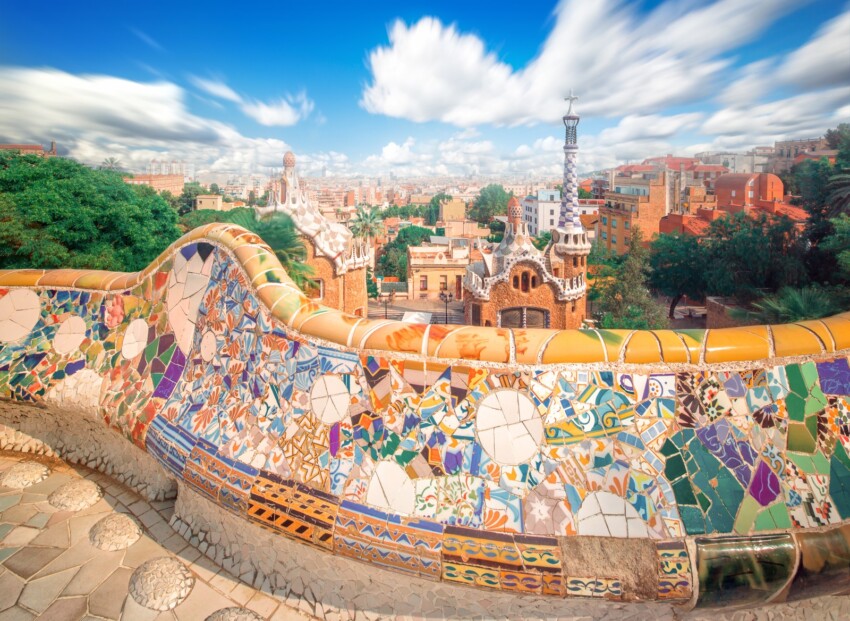
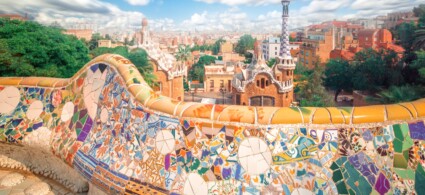
Another of the wonders that Gaudi bequeathed to Barcelona is the Park Güell. Located in the north of the city, this park was originally intended to be a residential complex for the 20th century bourgeoisie, but the project was later abandoned and today it has become one of Barcelona’s icons.
Don’t miss a souvenir photo of the park’s symbol, the fountain in the shape of a dragon, as well as a crazy panoramic view on the terrace overlooking the whole of Barcelona.
The hill of Montjuic is a real city within a city and well worth spending a whole day there. It can be reached by the characteristic cable car from the harbour, but also by a modern cable car, by public transport or even on foot.
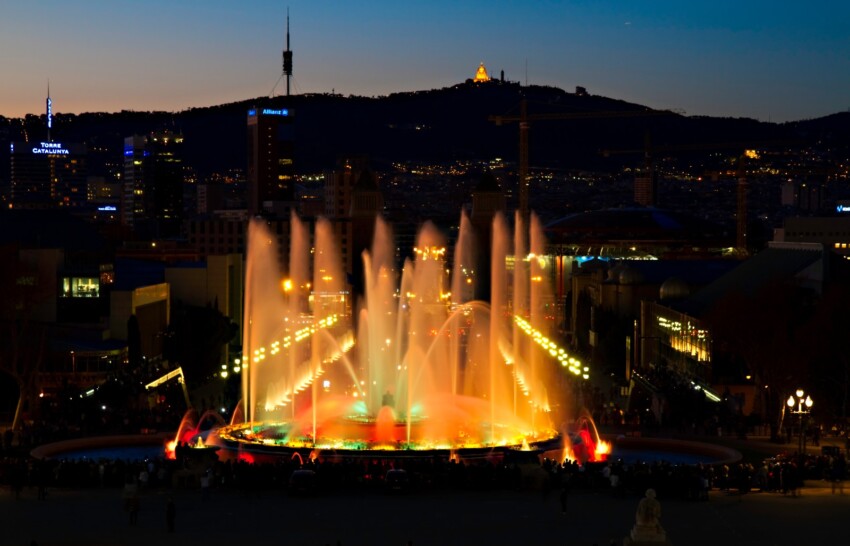
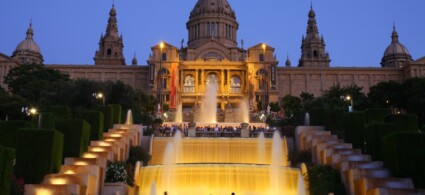
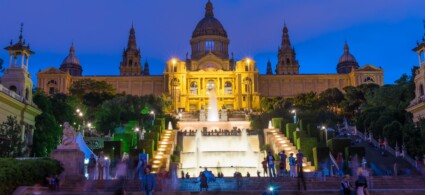
Once you’ve reached the top and taken a splendid panoramic photo of Barcelona, the must-see attractions are the Montjuic Castle, originally a fortress-prison, the Olympic Stadium, home of Espanyol until 2009 and an architectural wonder of the city, as well as the Museu Nacional d’Art de Catalunya and the Font Magica, a spectacle of dancing fountains of light and colour that illuminate Barcelona’s nights.
Casa Milà
5Pg. de Gràcia, 92, Eixample, 08008 Barcelona, Spain
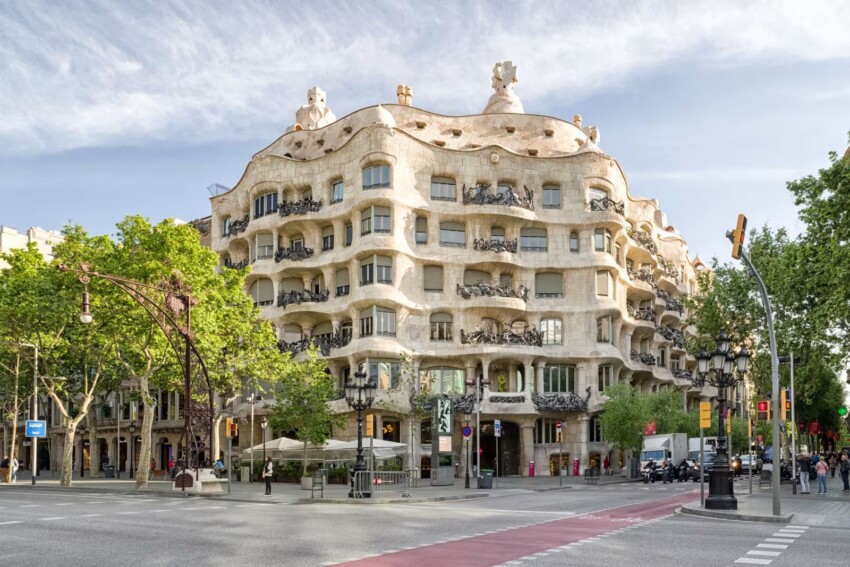
Casa Milà, also known as La Pedrera, is a huge building occupying one side of the intersection of Passeig de Gracia and Carrer de Provenca, a stone’s throw from Avinguda Diagonal and its metro stop. It is one of Gaudi’s most beautiful works that can be admired in Barcelona, and in a way it is the last, as the famous architect, after completing it, devoted himself body and soul to the Sagrada Familia until his death.
This enormous 1,500 square metre house was commissioned from Gaudí in the 20th century by Pere Milà i Camps, an entrepreneur from the wealthy Barcelona of the time, to whom Gaudí gave a townhouse with some very unusual features, including the undulating stone façade and wrought iron balconies. Today, visiting Casa Milà is a unique experience, allowing visitors to admire all of Gaudí’s flair and genius, from the sumptuous entrance to the roof, with its famous chimneys that frame a beautiful panorama of Barcelona.
6Pg. de Gràcia, 43, Eixample, 08007 Barcelona, Spain
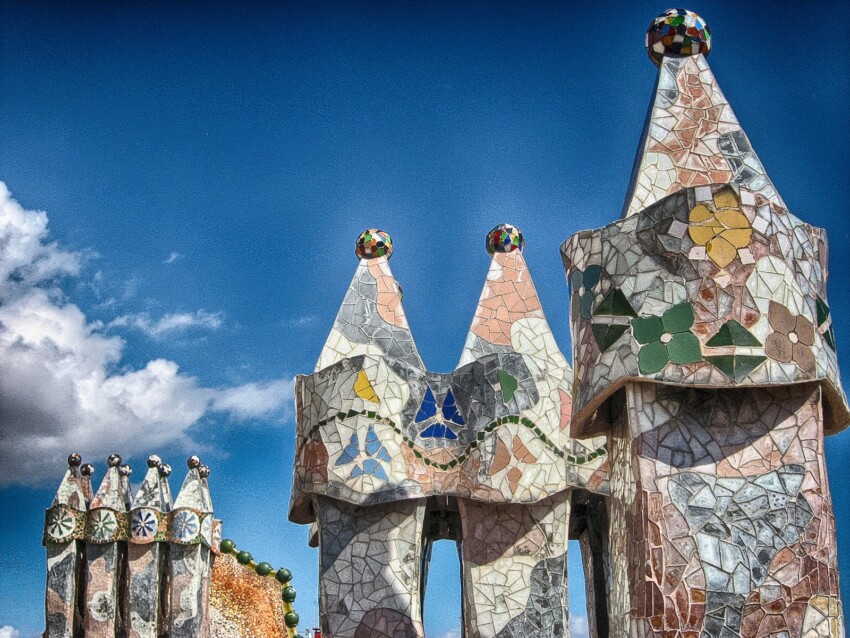
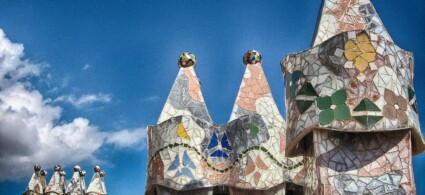
The external chimney pots of Casa Batllò
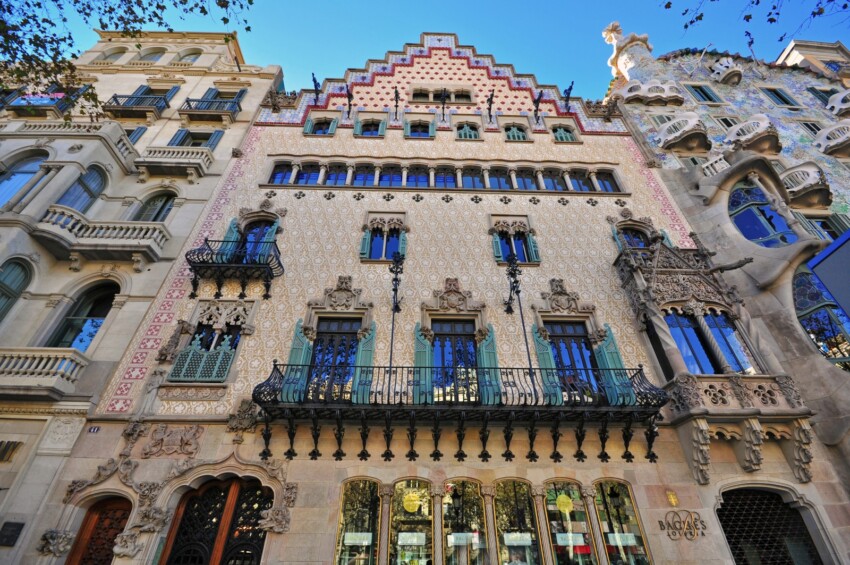
Like Casa Milà, Casa Batllò is also located along Passeig de Gracia, one of Barcelona’s most exclusive shopping streets. Its unique and inimitable style makes it an absolute must to visit in the city, and considering that it is only a few dozen metres away from Casa Milà, it is worth visiting both one after the other, also to appreciate their similarities and differences.
Casa Batllò dates back to the first decade of the 20th century, and for this work Gaudí decided to maximise his creativity, so much so that the exterior is in shades of blue and green, very unusual indeed. Inside, you will have the opportunity to visit the entrance hall with the main staircase leading to the main floor where the Batllò family lived, the second floor which was used for storage and laundry, and the roof terrace with its chimneys inspired by the legend of St. George and the dragon.
7del Port Vell, Moll d'Espanya, s/n, Ciutat Vella, 08039 Barcelona, Spain
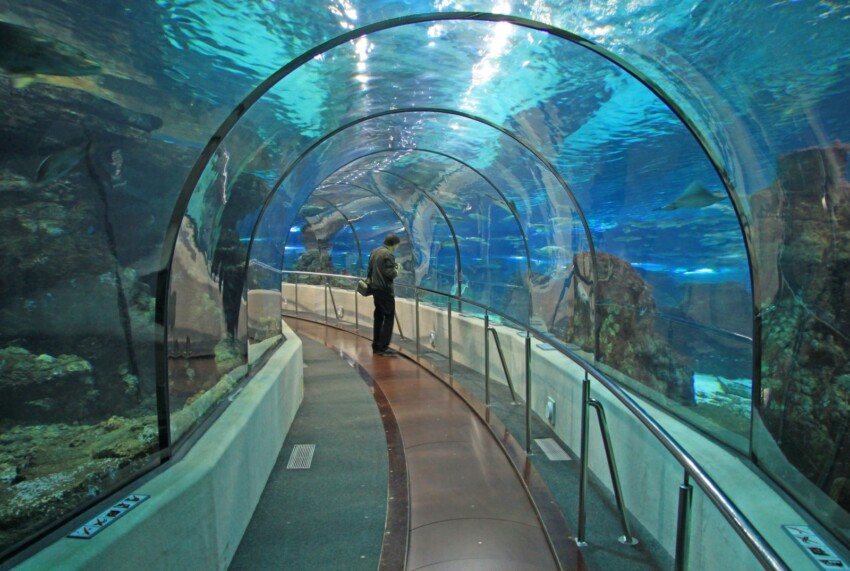
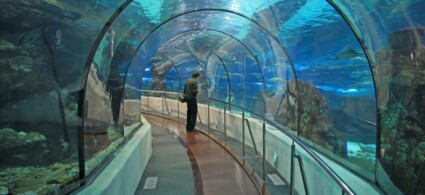
Situated in the middle of Barcelona’s Port Vell, on a piece of land wrested from the sea during the construction of the Maremagnum shopping centre at the end of the Rambla de Mar, the Barcelona Aquarium is one of the city’s major attractions. Visiting it you will have the chance to admire more than 11 thousand fish belonging to about 450 species, living in a total of 5 million litres of water contained within 35 tanks.
The most important and astonishing part of the aquarium is the huge 80-metre-long underwater tunnel made entirely of glass, which passes under a huge ocean tank, where sharks, rays and other fish swim past you and over your head as you walk. Moreover, at the aquarium there is the possibility of taking part in truly unusual experiences, such as swimming with sharks, sleeping next to them and turning into a scuba diver for a day.
And finally, remember: the Barcelona Aquarium is ideal to visit on a rainy day!
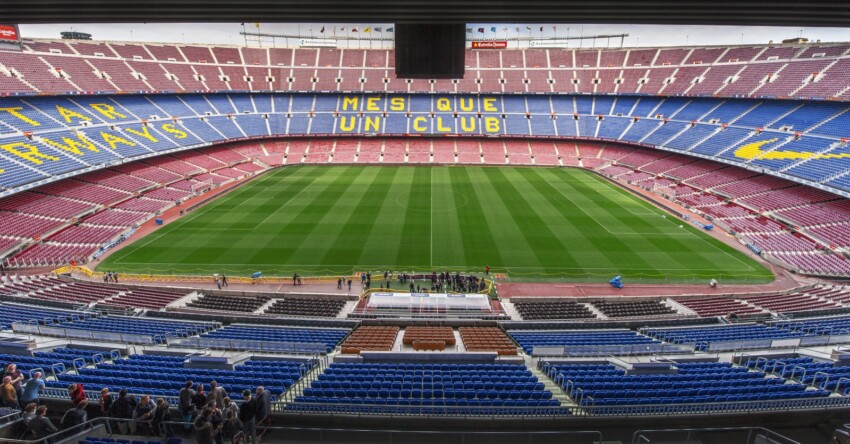
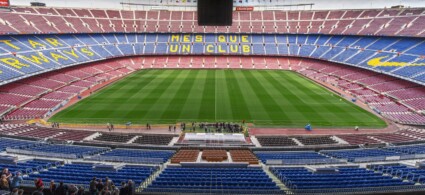
One of the temples of world football, Camp Nou is the home of Barcelona FC, one of the most titled teams in Europe. A must for football fans, who will have the chance to discover its secrets and players’ areas, such as the guest changing rooms and the pitch entrance tunnel, as well as other areas such as the press room, the trophy area and a beautiful museum dedicated to Barcelona FC.
With its 99,000 seats, Camp Nou is Europe’s first stadium in terms of number of spectators, and is also used for European cup finals, as well as being the stage for the 1982 World Cup semifinal and the 1992 Olympic football matches.
Of course, you can also visit Camp Nou like a normal fan, i.e. by attending one of Barcelona’s home matches: tickets for matches are sold everywhere in the city, even on Las Ramblas.
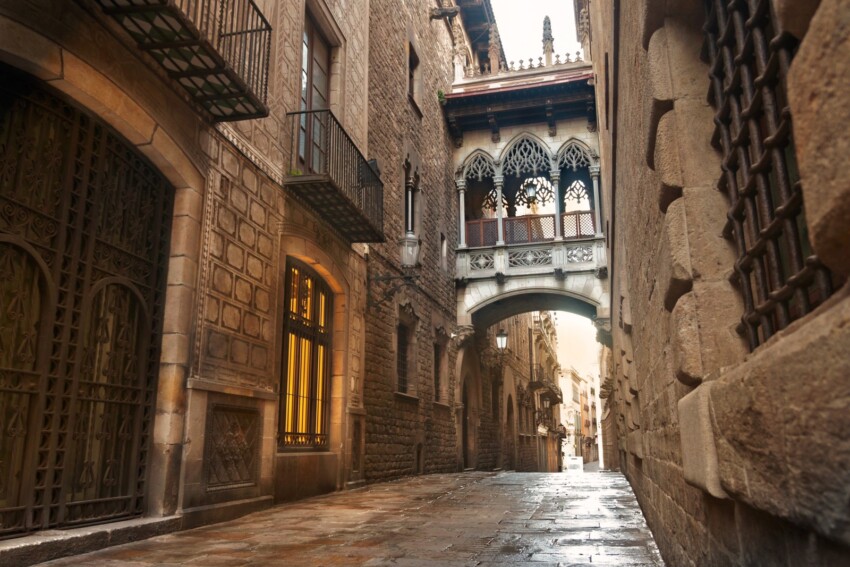
The area between La Rambla, Via Laietana, Port Vell and Plaza Catalunya is called Barrio Gotico, or Gothic Quarter in english. It is a maze of narrow, pedestrian streets crowded with tourists at all hours of the day and night, full of shops, bars and restaurants.
Very pleasant to visit, especially because suddenly, turning a corner, you can come upon some of the most beautiful squares in the city. Don’t underestimate Placa del Pi, where the church of the same name is located, or the beautiful Placa de Sant Jaime with the city hall, while not to be missed is the Cathedral square, overlooked by this enormous building of worship built in the Gothic style, the true pride of Barcelona.
10La Rambla, 91, Ciutat Vella, 08001 Barcelona, Spain
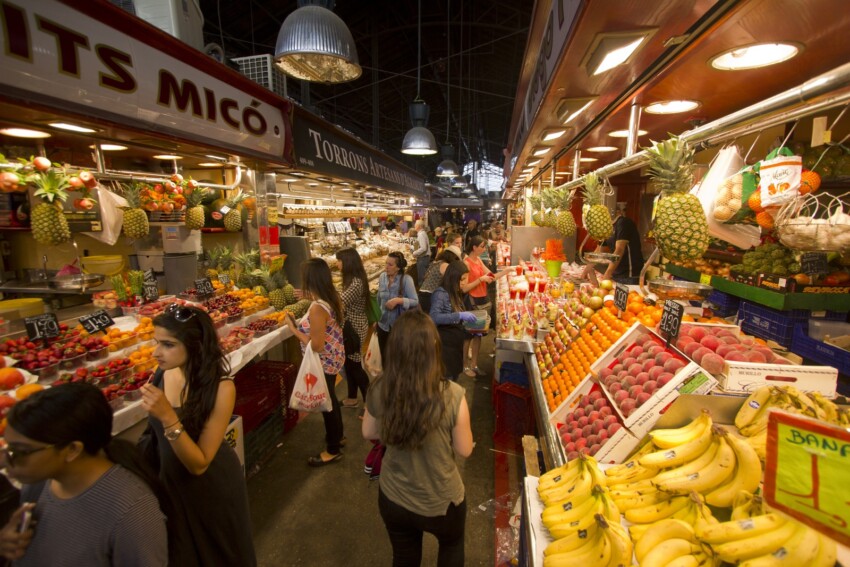
Barcelonans and tourists among the stalls of the Boqueria Market
The Boqueria market is the most famous indoor food market in Barcelona and perhaps in Europe. It is located on La Rambla, opposite the Liceu metro stop.
Freshness reigns supreme in this market, with its many stalls selling all kinds of merchandise. Particularly noteworthy, given its proximity to the sea, is the quality of the fresh fish, which is given ample space. But the Boqueria, apart from being an excellent market, is also an attraction, an unmissable experience for anyone visiting Barcelona.
To enter the market is to plunge into a world apart, where smells, sounds and colours seem to estrange you from the rest of the city. You will discover that every single stall or stall is so meticulously cared for that they are true works of art.
Fruits, vegetables, sweets and spices are the pieces of a brightly coloured mosaic, accompanied by a loud and constant hubbub, worthy of the most beautiful market in Europe.
We recommend a trip to the Boqueria not only to enjoy this spectacle, but also to sample the fresh produce, perhaps having breakfast with a freshly squeezed juice or stopping for a Tapas at one of the kiosks inside (truly exceptional quality!).
Casa Batllò and Casa Amatller on Passeig de Gracia
Many tourists risk missing out on some of the best shopping opportunities in Barcelona. Sure, the Rambla and the Gothic quarter are full of shops, but they are mostly small boutiques and souvenir shops.
If you are looking for big brands, luxury boutiques or simply the sales of big clothing chains, you should head for Passeig de Gracia, which runs from Plaza Catalunya northwards to the centre of the Eixample district. This is Barcelona’s shopping district frequented by locals, and it is here that the best bargains are to be had.
As if that weren’t enough, it is along Passeig de Gracia that the Casa Batllò and Casa Milà can be found, to alternate shopping and cultural visits.
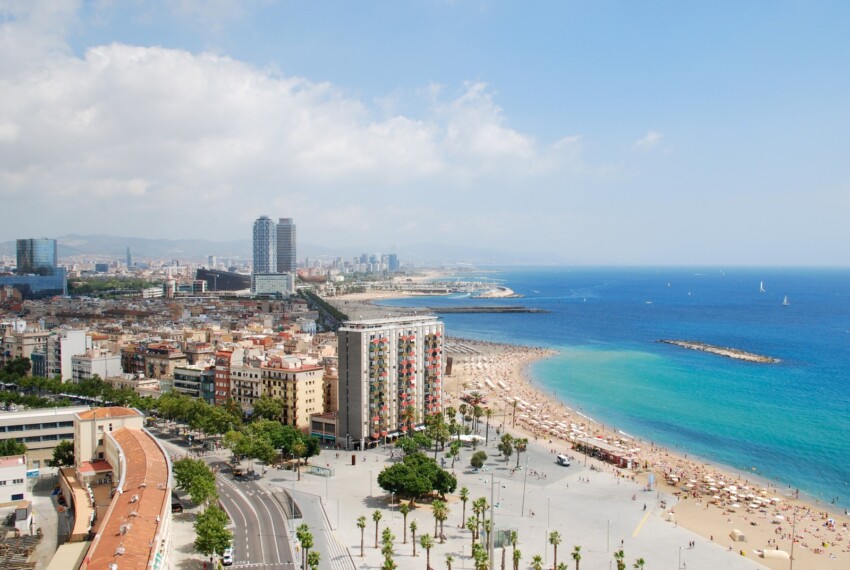
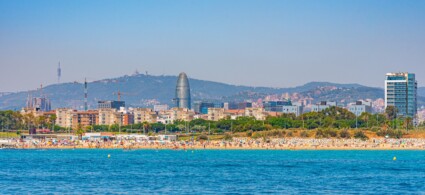
The Barceloneta district, once among the most run-down areas of the city, was completely renovated during the works for the 1992 Olympics. Today it is a destination not to be missed, even if only to spend a day at the beach.
The neighbourhood is made up of former fishermen’s houses, narrow alleys that are somewhat reminiscent of our Liguria and, above all, a modern and beautifully maintained promenade, popular with locals who choose it for running, cycling or skating.
The Barcelona beach also deserves a few words: clean, beautiful and equipped with all amenities, including showers and gym equipment. Ideal for spending a day in contact with the locals.
We close our list of the best things to see in Barcelona with the La Ribera neighbourhood. It is centrally located, just a stone’s throw from the cathedral, but it really is an area seldom visited by tourists. And rightly so: here you can find the best tapas bars in the city, one place after another where you can mingle with the locals for late-night entertainment and sample the local cuisine.
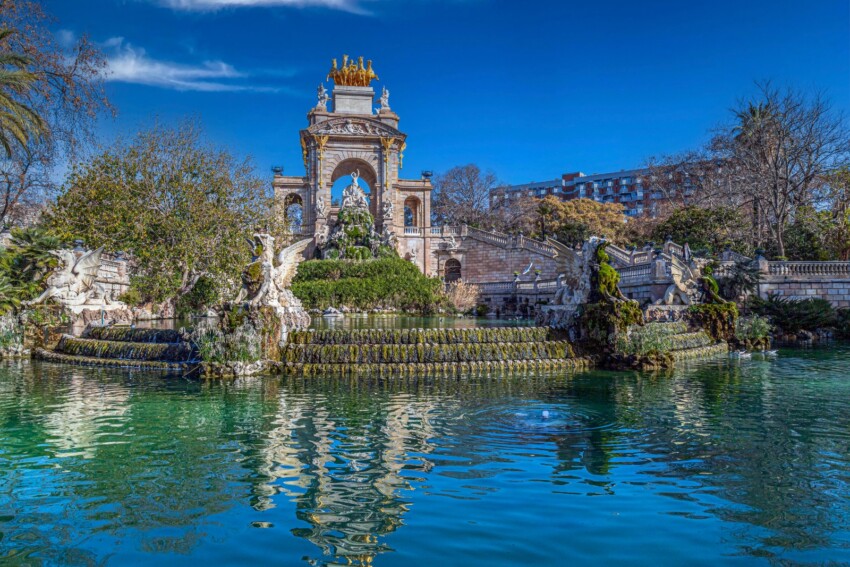
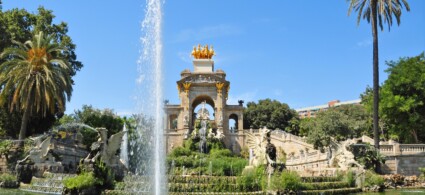
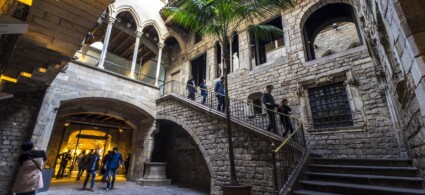
However, there are also numerous attractions not to be missed, such as the Picasso Museum, which celebrates the artist with a unique collection. Also a short distance away is the Parc de la Ciutadella, the city’s green lung, where you can spend a pleasant day outdoors away from the hustle and bustle of central Barcelona.
Guided and free tours of Barcelona
Discover Barcelona through the eyes of expert guides who will take you on a tour of the city's hidden treasures. Participating in a guided visit or a free tour will allow you to capture the true essence of Barcelona.
The free tours are a viable alternative to traditional guided tours. They work like this: participation is free and at the end of the visit you can leave a tip at your discretion. Below you will find our favourite free tour, otherwise you can see the full list by visiting this page.













 Hotel
Hotel 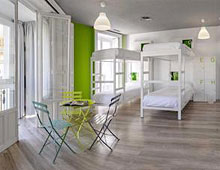 Budget accommodations
 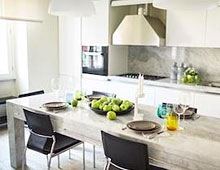 Apartments
 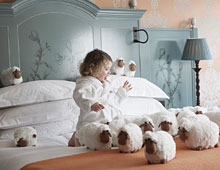 Family Hotel
 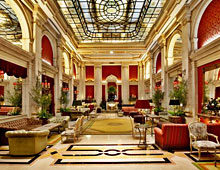 Luxury Hotel
  Resorts