Barcelona Card: 25+ Museums and Free Public Transportation
Access over 25 of Barcelona’s best museums and attractions. Save money, be flexible and enjoy free public transportation with a 3, 4, or 5-day card.
From 59,00 €
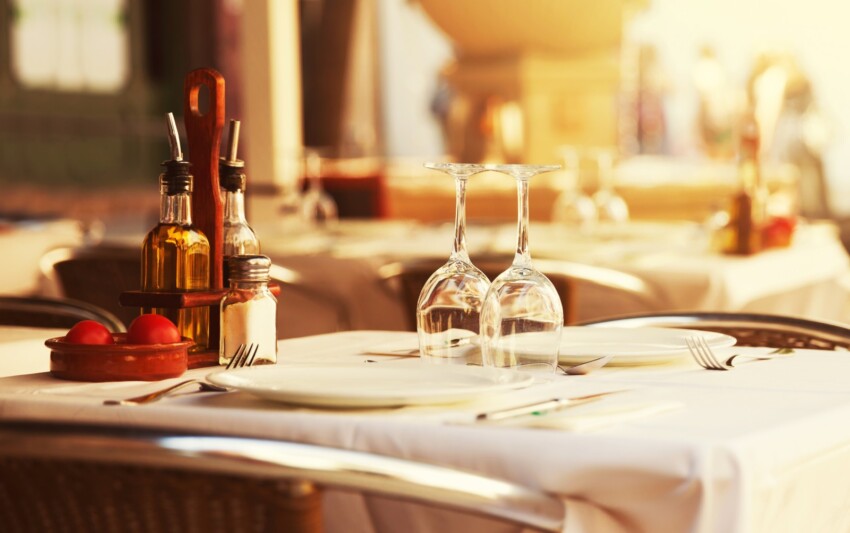
Barcelona is a city truly full of venues, and there is no shortage of opportunities to eat well. From typical Spanish or Catalan eateries to ethnic cuisine, from Italian restaurants to gourmet places, every palate will be satisfied in Barcelona. There are numerous places to eat in Barcelona, closer or further from the centre, but still very well accessible by bus or metro.
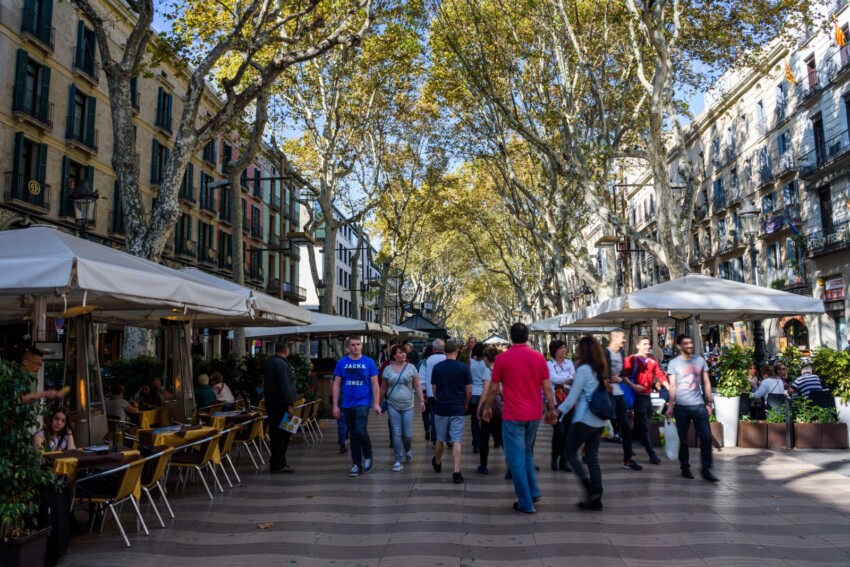
The area of Barcelona most frequented by tourists is undoubtedly the Rambla, the long tree-lined boulevard that runs from the Columbus Monument to Plaza Catalunya.
Like all big cities, eating in a tourist area often means dubious quality and high prices. That’s why we don’t recommend eating along La Rambla at all if you want a proper meal at a normal cost; on the other hand, you will have the chance to eat in a unique setting, sitting outside watching the human stream of people passing by at all hours of the day and night, and you can also enjoy the performances of the street artists who often entertain those who choose to dine along La Rambla.
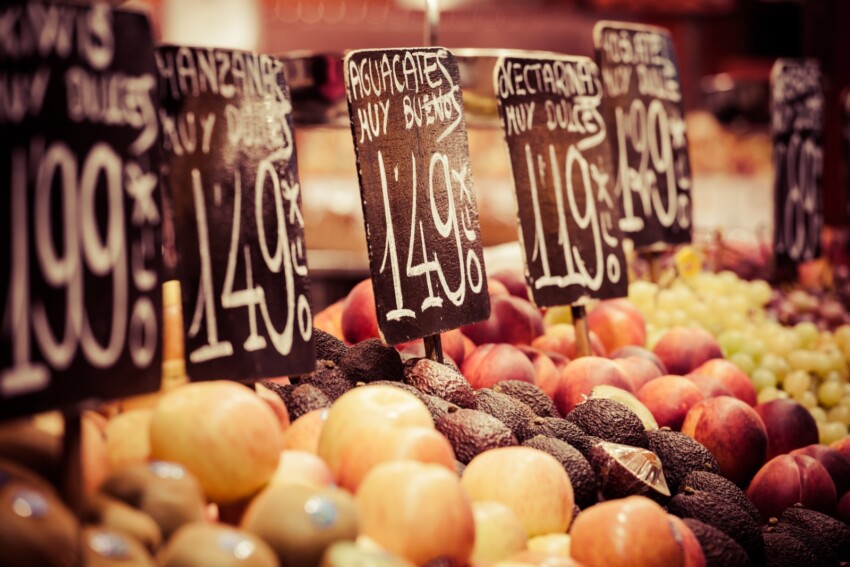
A fun way to get in touch with the local scene is to dine in the markets. The most famous market in Barcelona is undoubtedly La Boqueria, located along La Rambla and closed on Sundays. It is an explosion of colours, smells and tastes: fish, fruit, vegetables, meat, typical Catalan products, all put on display as if in a painting.
Among the numerous stands you can also find bar-restaurants where you eat sitting at the counter, ordering directly what you see on display in the best Spanish tradition. The quality is excellent and the products very fresh, the experience is truly remarkable and a great way to get in touch with the local cuisine. Unfortunately, being a market targeted by tourists day and night, eating at the Boqueria is more expensive than average.
The area of the Barceloneta promenade leading up to Port Olimpic is where the city’s upmarket and trendy restaurants are located. They are next to each other, but their characteristic is that at seafront level there is only the entrance: to enter each of them you have to descend steep stairs, which means that it is impossible to see inside except once you are inside sitting down to eat.
Fortunately, before going down the stairs, the menu in English and Spanish is displayed with prices, so that no one has any nasty surprises.
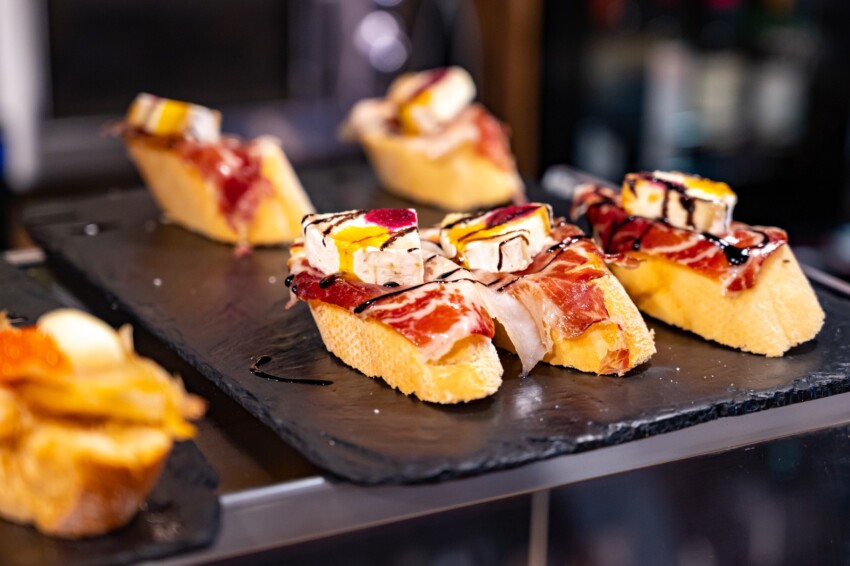
In terms of gastronomy, Catalonia is one of the most important regions of Spain, thanks to its rather rustic basic cuisine, but full of great varieties of dishes, usually accompanied by four basic sauces: sofrito, samfaina, picada andalioli.
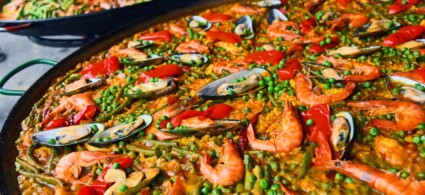
Thanks to the region’s geographical location, Catalan gastronomy blends mar y muntanya: high-quality fish, crustaceans and molluscs, some of which can only be found on the Catalan coast, such as the espardenyes, belonging to the cephalopod family and known only along the coasts of Barcelona and Tarragona; meat, especially pork; and game, where partridges stand out.
Accompanying everything is a vast selection of vegetables and fruit and numerous species of forest and meadow mushrooms.
Alongside the typically Catalan dishes, however, there are many others where the foreign influence is evident, such as that of delicate Provençal cuisine, or the reflection of neighbouring cuisines, such as that of Valencia.
The best of Catalan cuisine to guide you through a menu!

Catalonia is a region with a very complex and diverse wine geography, with no less than ten appellations, each with well-defined characteristics.
The high quality of its wines, thanks to a production tradition more than a thousand years old, combined with a continuous search for innovation, place Catalonia at the oenological vanguard of the whole of Spain. Numerous wineries have skilfully blended indigenous and foreign grape varieties, achieving results of great personality.
Catalonia is also the home of Cava, a sparkling wine produced exclusively with the classic method. Having imported processing techniques from Champagne at the end of the last century, today a couple of international industrial groups and a large number of small wineries produce and export more than 230 million bottles of cava per year.
The Denominations of Origin of Catalonia are: Alella, Ampurdán-Costa Brava, Catalunya, Cava, Conca de Barberá, Costers del Segre, Montsant, Penedés, Pla de Bages, Priorato, Tarragona, Terra Alta.
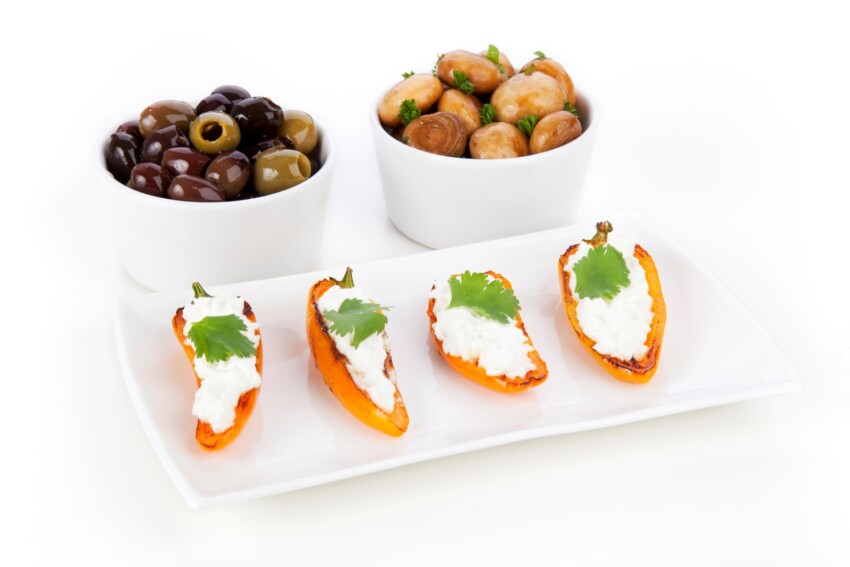
Spain is not exactly a paradise for vegetarians, who may encounter some obstacles to their diet. However, they will certainly enjoy the numerous fruit and vegetable markets, or ethnic restaurants (e.g. Chinese and Arab). For those who eat fish, there are no major problems, as the menu of the dia almost always includes a seafood dish.
Be careful when ordering a dish that might seem vegetarian, as it might actually be cooked in meat broth or contain ham, which is often not considered meat by the Spanish!
Here are some useful expressions to use in restaurants:
City Card allow you to save on public transport and / or on the entrances to the main tourist attractions.

 Hotel
Hotel 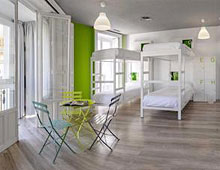 Budget accommodations
 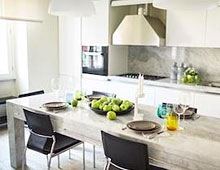 Apartments
  Family Hotel
 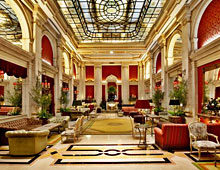 Luxury Hotel
  Resorts