Where to stay in Spain
A guide to choosing where to stay in Spain, with tips and direct links to book your hotel, b&b, flat or hostel in no time.
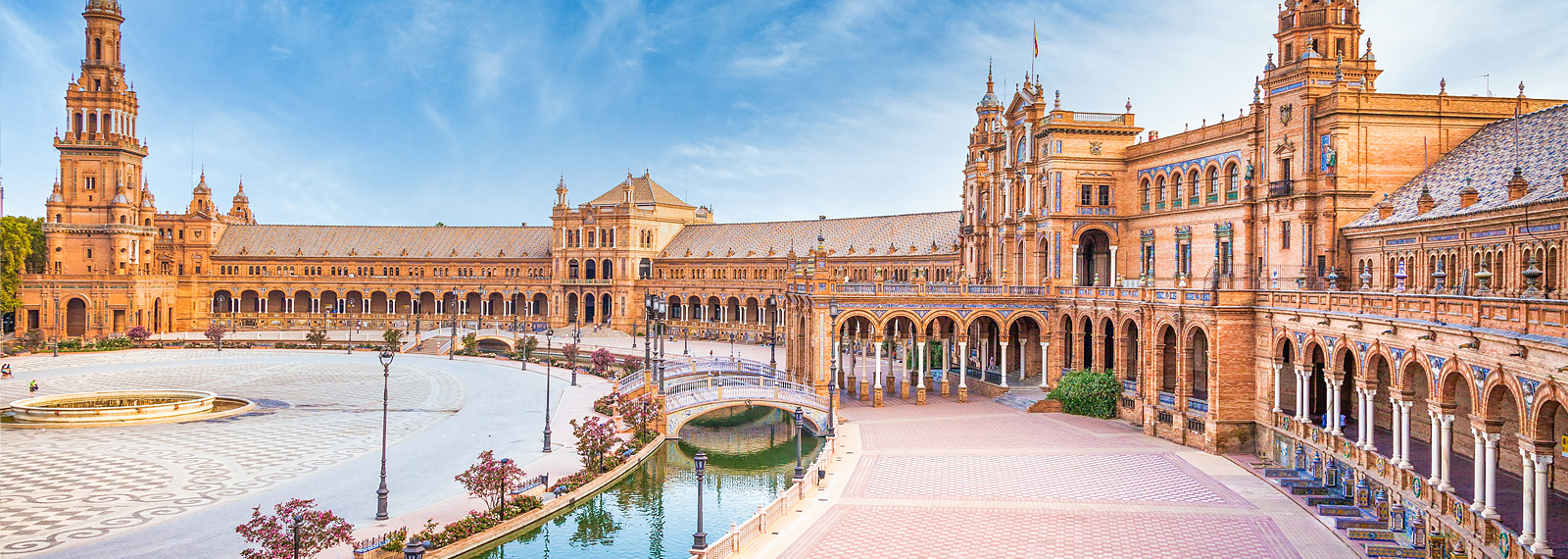
Sunny and lively, with many traits in common with our country, Spain is one of the countries most loved by tourists, who appreciate its good cuisine, climate and the friendliness of its inhabitants. Now is the time to get to know it more deeply, penetrate into its most authentic soul and discover the variety of scenic and cultural attractions of its regions.
For a week at the seaside, for a romantic getaway, for a city break full of culture, for crazy nights that last well into the morning, for walks of hundreds of kilometres… Spain is always the right destination for a dream holiday!
Are you dreaming of your holiday in Spain? Open your eyes and start planning it today! In our online guide you will find all the information you need: first find your flight from the nearest city, then choose the hotel that suits you best by following the advice on where to stay.
Take a look at the interactive map and build your own personal itinerary to suit your tastes and interests. Once you’ve done this, it’s best to book your car online so you don’t lose time once you arrive in Spain. And don’t forget to take a look at the weather forecast so you know what to pack!





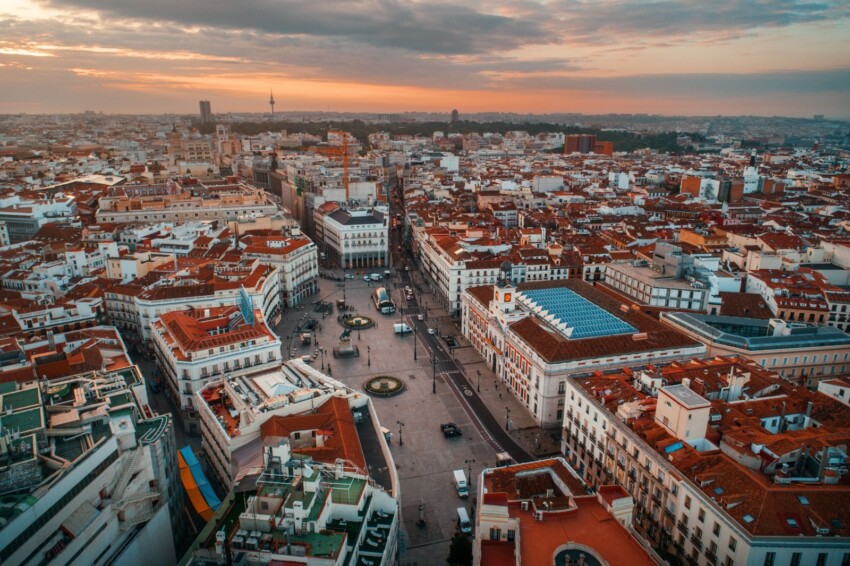
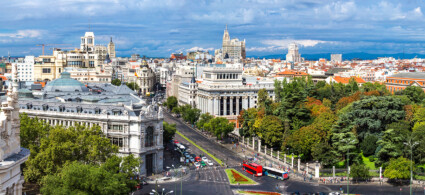
Spaniards are divided between those who love Madrid and those who prefer Barcelona: tourists generally fall in love with both. Madrid is one of Europe’s most fascinating capitals: a metropolis that never sleeps, it has a noble face, with elegant boulevards and prestigious museums, and a popular soul that can be found in the neighbourhood tapas bars, street markets and traditional festivals.
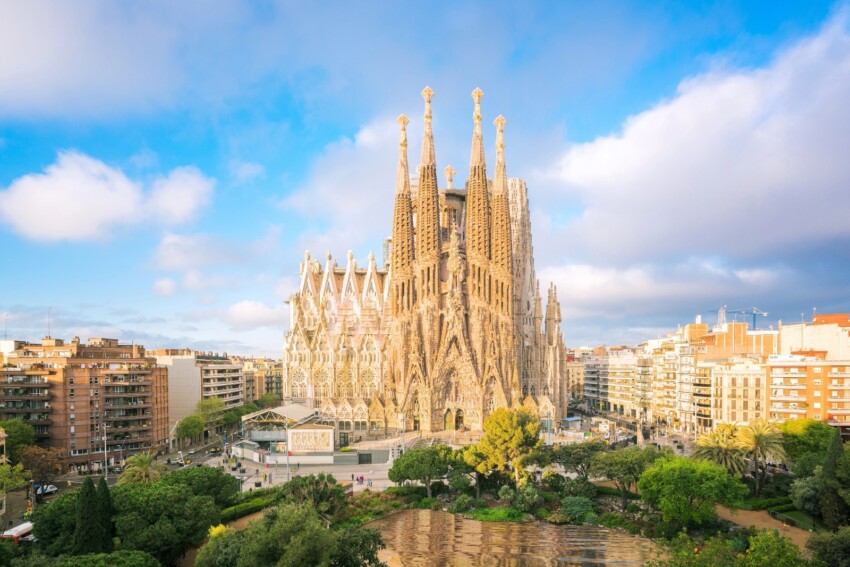
Barcelona is the city of vitality and creativity, synthesised in the colourful and bizarre modernist works of architect Antonio Gaudi. Famous for its nightlife and legendary beachside chiringuitos, it is a complex, multi-faceted city.
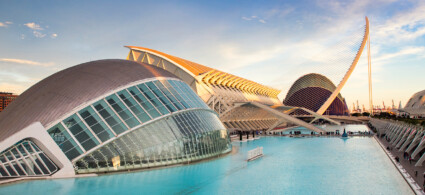
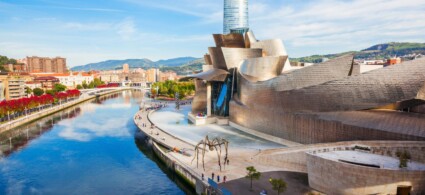
Valencia is an extraordinary city, somewhat underrated by tourists: now is the time to discover it! Bilbao is a favourite destination for lovers of contemporary art, Alicante is recommended for those who want to combine sea and cultural visits while Pamplona attracts the more reckless tourists who want to join the adrenaline-fuelled running of the bulls.
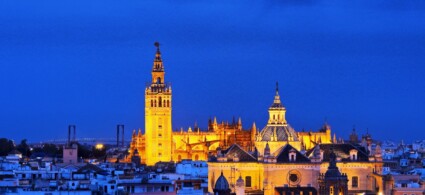
The most romantic Spain can be experienced in historical cities such as Salamanca, Toledo and Murcia while magical Thousand and One Nights atmospheres can be experienced in the cities of Andalusia, including the three pearls of Seville, Granada and Cordoba.

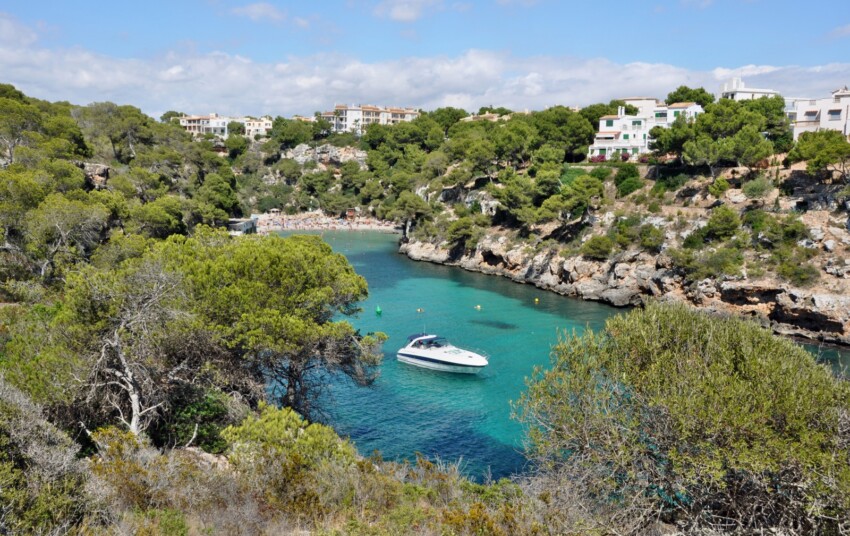
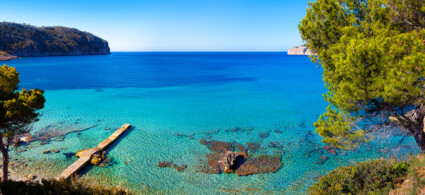
Thanks to their convenient location in the middle of the Mediterranean Sea, the Balearic Islands are easy to reach and offer a balanced mix of tourist services, cultural attractions and scenic beauty that make them suitable for any type of holiday, for young people, couples, families and groups of friends.
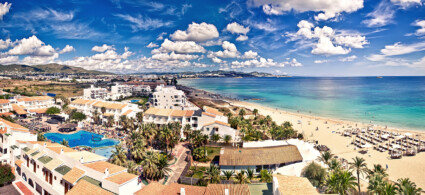
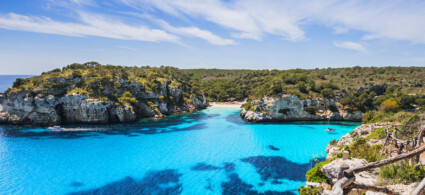
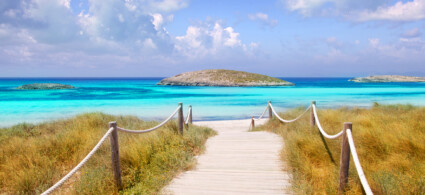
Majorca is the largest and most famous, suitable for those who want some diversion from lazy days at the beach, Menorca is a green paradise, Ibiza is the nightlife island par excellence (but also offers unsuspected corners of peace and relaxation) and Formentera is the most remote, accessible only by boat.
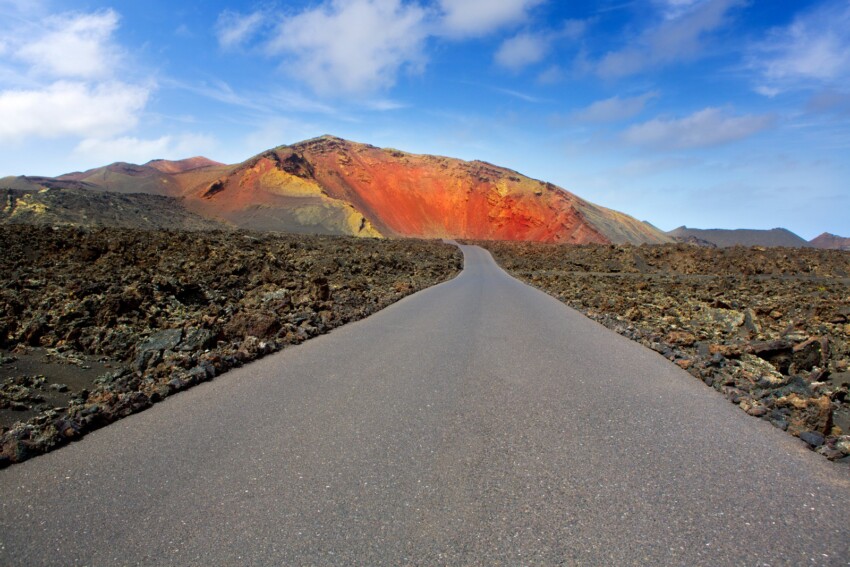
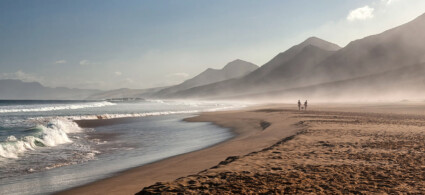
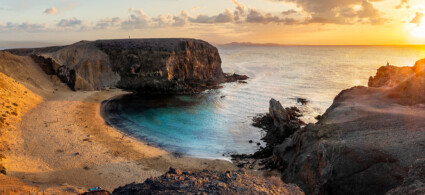
Summer all year round (spring when it’s cold), fast connections with mainland Europe, kilometres of beaches, excellent tourist services and enchanting natural landscapes make the Canary Islands a favourite destination for those who want to break the winter with a beach holiday.
They are ideal both for a pure relaxation holiday, perhaps adding a few yoga sessions to the afternoons on the beach, and for those who enjoy active holidays: surfing, diving and trekking are popular activities on all the islands.
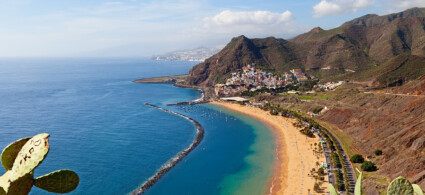
Tenerife is the largest and most visited, Fuerteventura has almost the same size but less than half the population. The former is recommended for those who want a comfortable holiday or are looking for nightlife and entertainment, the latter for those who want to escape the crowds. Lanzarote and Gran Canaria will bewitch you with their volcanic and desert landscapes, La Palma is the island for trekkers and bikers, while the two smaller ones, La Gomera and El Hierro, are gems still undiscovered by mass tourism.
The telephone code for Spain is 34: to call a Spanish number from your country of residence, you have to dial 0034 followed by the desired number.
Mainland Spain and the Balearic Islands follow the Central European Time Zone (CET, UTC+1 in solar time, UTC+2 in summer time), while the Canary Islands are one hour behind mainland Spain (UTC+0 in solar time, UTC+1 in summer time).
The flag of Spain, officially adopted on 19 December 1981, is made up of three horizontal bands: two red ones at the ends and a wider yellow one in the middle. On the left side of the yellow band is the national coat of arms.
The currency of Spain is the Euro. Before 1 January 1999, when the Euro came into force, the national currency was the Spanish Peseta, which was replaced with an exchange rate of 166.386 Pesetas for 1 Euro.
Located on the Iberian Peninsula, Spain faces both the Atlantic Ocean and the Mediterranean Sea. It is one of the largest countries in southern Europe and also includes the Balearic Islands, the Canary Islands and the autonomous cities of Ceuta and Melilla in North Africa.
Spanish electrical sockets use the same European standard (type C and F), 230V voltage and 50Hz frequency.

 Hotel
Hotel  Budget accommodations
  Apartments
  Family Hotel
  Luxury Hotel
  Resorts